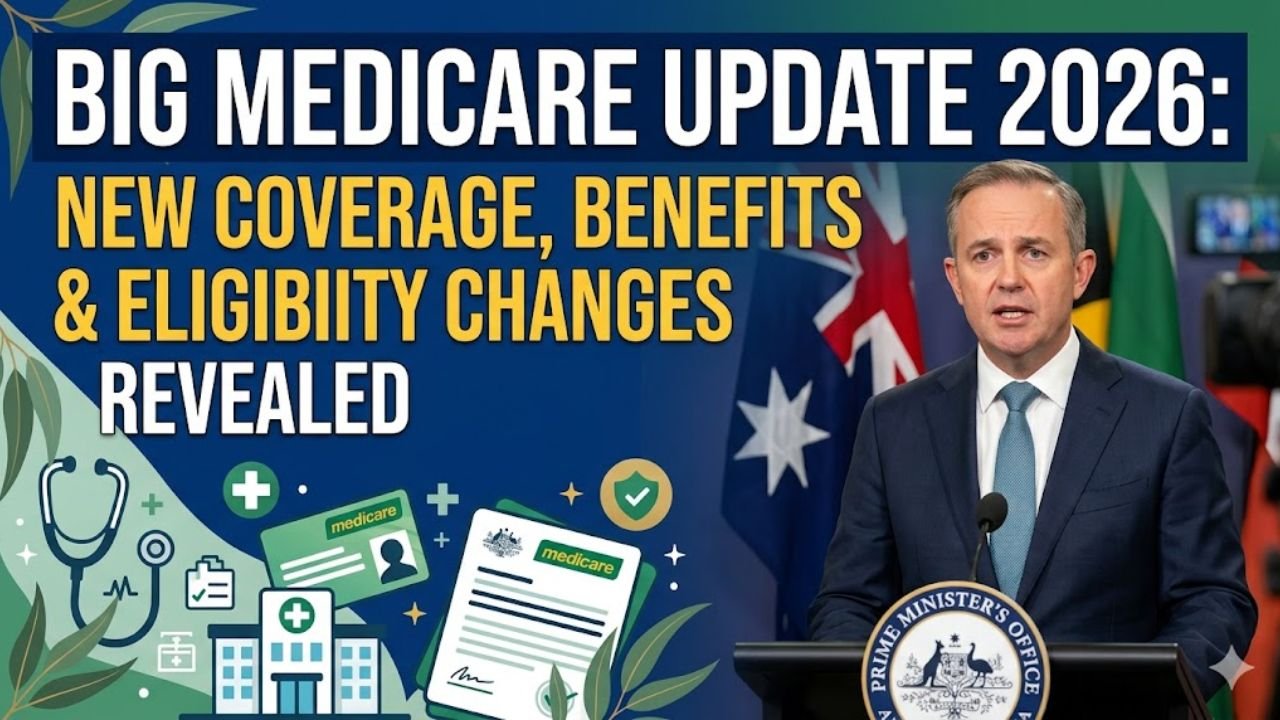
Starting 2026, there are Going to be the most significant changes to Medicare due to the changes made due to the Inflation Reduction Act, as well as yearly changes made to the CMS. For millions of seniors and disabled citizens, these changes are a financial necessity and they greatly need to be informed of them. The changes made are aimed at prescription medications and the overall cost of care.
Changes on The costs of Prescription medications and The Part D Cap.
The year 2026 is approaching and there are anticipated changes to how far out of pocket spending costs. There is a historic spending cap of $2000 that started in 2025 and is expected to be introduced as 2100 in 2026. While this is a slight numerical increase, this will be the last year that people are going to have to watch out for “the donut hole” so people will not have to face costs going up out of the blue. 2026 is going to be the year of the first Maximum Fair Prices. There have not been any price negotiations from the government for 10 high-cost medications that are used to treat diabetes, heart failure, and blood clots. The government is going to be able to save billions from this and a lot of people who have been prescribed these medications are going to save on coinsurance.
2026 Medicare Part B Premiums and Deductibles
Medication costs are beginning to normalize and level off. However, costs tied to outpatient services associated with Part B are now being adjusted. The standard monthly payment will be $202.90 in 2026, compared to $185.00 in the last year. This will be coupled with the annual deductible increasing to $283. According to CMS, these hikes are a result of healthcare services utilization and the increased cost associated with high-touch, specialty services located within a physician’s office. However, the 2026 Social Security Cost-of-Living Adjustment (COLA) will likely be in excess of the Medicare premium increases for a multitude of retirees, as a result, many will see a healthcare deduction from their monthly checks.
Brief Financial Overview of Medicare for 2026
| Medicare Category | 2026 Cost/Limit | Change from 2025 |
| Part B Standard Premium | $202.90 / month | +$17.90 |
| Part B Annual Deductible | $283.00 | +$26.00 |
| Part D Out-of-Pocket Cap | $2,100.00 | +$100.00 |
| Part A Inpatient Deductible | $1,740.00 | +$64.00 |
| MA Max Out-of-Pocket | $9,250.00 (In-Network) | -$100.00 |
Medicare Advantage and Supplemental Benefits Changes
Medicare Advantage (Part C) remains a dominant option, yet signs of consolidation are appearing for 2026. A number of private insurers are reducing their plan choices, causing a significant decline in standalone drug plans and increased competition for supplemental benefits. In a notable development, the federal maximum out-of-pocket (MOOP) limit for Medicare Advantage plans has actually improved, setting a maximum of $9,250 for those with chronic illnesses. Beneficiaries of core benefits such as vision, dental, and hearing can find almost 98% of plans unchanged, but there is an increased focus among insurers on reducing those benefits classified as “niche” — such as transportation for non-medical purposes and specific over-the-counter (OTC) eligibility — in order to reduce monthly premiums.
Expanded Eligibility and New Behavioral Health Standards
Perhaps the biggest win for beneficiaries in 2026 is the improved expansion in coverage for behavioral health services. Medicare Advantage plans will now have to match or exceed the cost -sharing requirements of Original Medicare for mental health and substance use disorder services. Now, patients will never have to pay more for getting mental health services of any kind (including therapy and psychiatric services) than they would for getting medical services. In addition, the eligibility criteria for Dual-Eligible Special Needs Plans (D-SNPs) have been refined, and this enables better integration of care for individuals who are eligible for both Medicare and Medicaid. These refinements help address “whole-person” health, especially for chronic conditions such as obesity and heart disease, and simplify the access to food and utility assistance as part of their health plans.
Navigating the 2026 Enrollment Strategy
With the new “Maximum Fair Price” medications and a more simplified Part D payment plan (which allows users to spread their payments over 12 months), the 2026 enrollment period will require more attention than in the past. In addition, high-income earners should note that the Income-Related Monthly Adjustment Amount (IRMAA) brackets have been revised, with surcharges now applicable for individuals with a modified adjusted gross income of over $109,000. As the market continues to stabilize under the new federal guidelines, the most successful beneficiaries will be those who have great attention to detail and are able to look at their “Annual Notice of Change” (ANOC) in comparison with the new federal drug price list to determine their covered medications and preferred providers, as well as the network status of their plan for the upcoming year.
FAQs
Q1 What will the new out-of-pocket limits be for the Medicare drugs in 2026?
The out-of-pocket limit will be $2,100 for the Part D covered prescribed drugs. After reachig this limit, the covered prescribed drugs will be at no cost to you.
Q2 Will I see a decrease in my Social Security check because the Part B premiums will increase?
Most beneficiaries will see that the 2.8% Social Security COLA for 2026 will be higher than the $17.90 increase for the Part B premium so, you will see your take-home pay increase.
Q3 Will the new 2026 guidelines still allow for insulin price caps?
Yes, insulin price caps will still apply. Ultimately, insulin prices will not exceed 35 dollars a month per covered prescription, and will not subject to the Part D deductible.