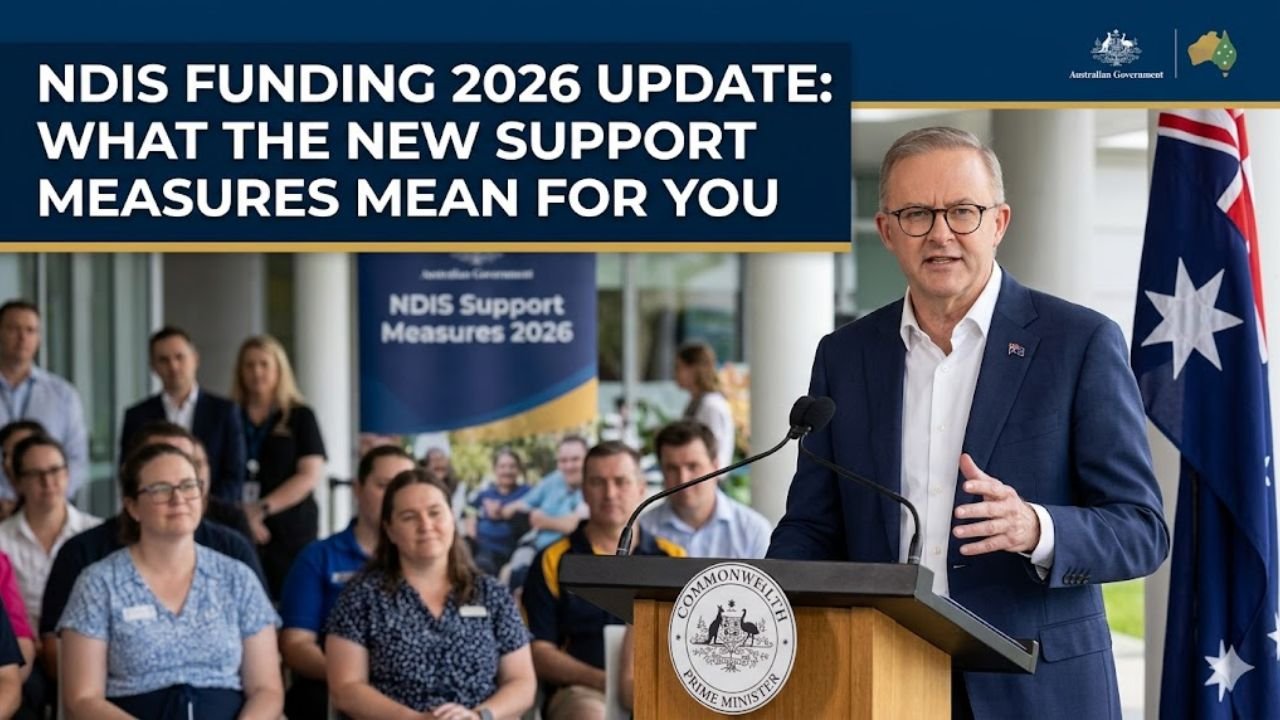
The NDIS (National Disability Insurance Scheme) has undergone major changes as of 2026. Legislative changes passed last year have created a new “New Framework Planning” system that will be more structured than flexible. For people in Australia who receive NDIS funding, these changes will greatly impact how disability is calculated, and how funding is distributed. Changes to the framework will also aim to give disability participants a clearer understanding of what NDIS support entails. These changes aim to make the NDIS more simple and reduce the number of complaints about the NDIS. The changes are intended to create more consistent funding support throughout Australia and to provide funding support to a larger number of disabled Australians.
Adjusting Budgets and Plan Flexibility
A major change coming in 2026 is the whole-of-person support needs assessment. In the past, participant plans felt disjointed and like a collection of each individual’s, or advocates, line item requests. The new, more person-centered design framework assigns a budget based on individual functional impact. Participants are starting to experience more looseness and flexibility against the previously more restrictive “Core” and “Capacity Building” categories. Participants are empowered to prioritize and address their evolving needs across all support types and spend on flexible “NDIS Supports” list. The need for administratively burdensome plan reviews is eliminated in order to provide participants the maximum flexibility to shift support even in the absence of an NDIA intervention.
Support Categories and Funding Rules
The 2026 guidelines have made a more strict \”In and Out\” list for funded supports to treat a more clear and more consistent way of using funded supports. This list helps NDIS fund supports that are related to \”Disability supports\” rather than lifestyle expenses and services that are funded by other governmental systems (e.g. Health and education). For example, while therapy is still a core part of the scheme, the types of allied health services that can be funded are more defined than before. More funding is also available for \”Foundational Supports\” which are community services provided outside the NDIS by state and territory governments. This way, NDIS can ensure that they are the specialized layer of support for people with significant and permanent disabilities and not the rest of the community.
Summary of Important NDIS Support Measures 2026
| Support Measure | Primary Impact for Participants | Status for 2026 |
| Flexible Budgeting | Allows movement of funds across most core categories. | Currently Rolling Out |
| Needs Assessment | Budgets based on functional impact, not just diagnosis. | Mandatory for New Plans |
| 3-Month Funding Periods | Budgets released in smaller blocks to help with management. | Standard Practice |
| Assistive Technology | Streamlined grants for high-tech independence tools. | Expanded Coverage |
| Foundational Supports | Non-NDIS services for those with lower support needs. | Phased Implementation |
Changes for the New Early Intervention Services
There is a new focus for children under 9. The 2026 changes put the NDIS emphasis on new Early Intervention Pathways reiterating that other support for developmental delays is available. The reiteration created a new Early Intervention Pathways classifying children who will require ongoing support and children who may need short intensive assistance to reach developmental milestones. Generally, families should expect to tap into more community and traditional health services for mild to moderate needs while the NDIS focuses on high intervention needs. The Thriving Kids initiative provides support earlier and primarily in the child’s natural environment, school, and community health service instead of NDIS clinical plans.
Building Openness and Trust Over Time
The last pillar NDIS is focusing on is improving the quality of providers and the integrity of the schemes. With “Impairment Notices” being implemented, communication to participants is improving about which impairments are NDIS specific. It may seem clinical, however it aims to be transparent and document things to protect your access to the scheme during reassessments. Also, the 2026 measures have increased the likelihood of service providers being regulated to stop overcharging and to stop the NDIS tax (when providers charge more for the same service, just because it is NDIS funded). The strengthened measures will help the government to trust the NDIS more, and to ensure that every dollar spent is directly improving the Independence of people with disabilities in Australia.
FAQs
Q1 Can I use my funding for any therapy that I choose?
As long as the therapy is evidence-based and related to your specific disability, you may use your funding for it. However with the 2026 rules, funding for therapies must meet the definition of NDIS guidelines as “reasonable and necessary”.
Q2 What will happen if I run out of money in my 3-month funding block?
The 3-month funding block is for budgeting. If, however, your needs change significantly as a result of an emergency, you are able to submit a request for a plan variation. Otherwise, you need to manage your spending within that time frame to ensure your supports last the full year.
Q3 Does this changes mean my funding will be cut?
The updates from the 2026 updates are centered around right-sizing adjustments based on the upcoming new assessment framework. Although there may be budget restructuring changes for some participants, the intent is to align funding with actual functional demands instead of support being reduced overall for the most needy.